


Understanding the Lymphatic System and How to Support It
- atneedideas.com
- Dec 11, 2025
- 6 min read

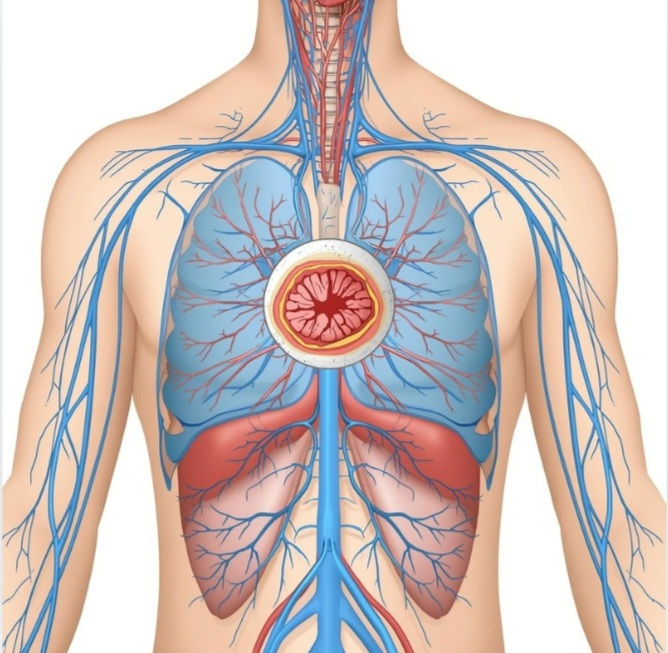
The lymphatic system is one of the body’s super heroes, a vital yet often overlooked system. It plays a crucial role in balancing fluid throughout the body, supporting immune function, and removing waste and toxins who are the bad guys in the body.
When the lymphatic system becomes sluggish or congested, it can lead to fatigue, swelling, inflammation, and a weakened immune response.
Understanding how it works and how to keep it healthy is essential for overall well-being. I know I feel it at times, especially when your immune system is fighting against itself. So any explanation or help is gratefully received.
What the Lymphatic System Does
1. Fluid Balance
The lymphatic system acts as a drainage network that collects excess fluid, known as lymph, from tissues throughout the body. This fluid contains proteins, waste products, and immune cells. The lymphatic vessels transport it back into the bloodstream, preventing fluid buildup and swelling (edema).
2. Immune Defense
Lymph nodes, small bean-shaped structures located along lymphatic vessels, filter lymph fluid and trap pathogens, toxins, and abnormal cells. They contain lymphocytes—white blood cells that identify and destroy harmful invaders. This process helps the body fight infections and maintain immune health.
3. Waste and Toxin Removal
The lymphatic system works closely with the circulatory and immune systems to remove cellular waste, metabolic byproducts, and environmental toxins. It acts as a detoxification pathway, ensuring that harmful substances are filtered out before they can cause damage.
4. Fat Absorption
Specialized lymphatic vessels in the intestines, called lacteals, absorb fats and fat-soluble vitamins from the digestive tract. These nutrients are then transported through the lymphatic system before entering the bloodstream.
Signs of a Sluggish Lymphatic System
When the lymphatic system is not functioning optimally, symptoms may include:
Persistent fatigue or low energy
Swelling in the hands, feet, or face
Frequent colds or infections
Brain fog or difficulty concentrating
Skin issues such as acne or dull complexion
Stiffness or soreness in the morning
Weight gain or difficulty losing weight
How to Support and Stimulate the Lymphatic System
1. Stay Hydrated
Lymph fluid is primarily composed of water. Dehydration thickens the lymph, making it harder to circulate. Drinking plenty of clean water throughout the day helps keep lymph flowing smoothly.
2. Move Regularly
Unlike the circulatory system, the lymphatic system has no central pump like the heart. It relies on muscle movement and deep breathing to circulate lymph. Activities such as walking, stretching, yoga, rebounding (mini-trampoline exercise), and swimming are excellent for lymphatic flow.
3. Practice Deep Breathing
Deep diaphragmatic breathing creates pressure changes in the chest that help move lymph fluid. Slow, deep breaths stimulate lymphatic drainage and oxygenate the body.
4. Lymphatic Massage and Dry Brushing
Manual lymphatic drainage (MLD) is a gentle massage technique that encourages lymph flow and reduces swelling. Dry brushing, using a natural bristle brush on dry skin in upward strokes toward the heart, can also stimulate lymphatic circulation and exfoliate the skin.
5. Eat a Clean, Anti-Inflammatory Diet
A diet rich in fruits, vegetables, lean proteins, and healthy fats supports lymphatic health. Foods high in antioxidants—such as berries, leafy greens, citrus fruits, and herbs like turmeric and ginger—help reduce inflammation and oxidative stress. Limiting processed foods, sugar, and excess salt prevents lymphatic congestion.
6. Support Gut Health
Since much of the lymphatic tissue is located in the gut (known as the gut-associated lymphoid tissue or GALT), maintaining a healthy digestive system is key. Probiotics, fiber-rich foods, and fermented foods like yogurt, kefir, and sauerkraut promote a balanced gut microbiome.
7. Manage Stress
Chronic stress can suppress immune function and slow lymphatic flow. Incorporating relaxation techniques such as meditation, gentle stretching, or spending time in nature helps regulate the nervous system and support lymphatic health.
8. Avoid Tight Clothing
Tight clothing can restrict lymphatic flow, especially around the chest, waist, and groin. Wearing loose, comfortable clothing allows lymph to circulate freely.
9. Use Heat and Cold Therapy
Alternating between hot and cold showers or using saunas can stimulate lymphatic circulation. Heat expands blood vessels, while cold constricts them, creating a pumping effect that encourages lymph movement.
10. Prioritize Sleep
During sleep, the body performs essential detoxification and repair processes. Adequate rest supports immune function and allows the lymphatic system to clear waste efficiently.

Best Products to Support a Healthy Lymphatic System
Supporting your lymphatic system doesn’t require complicated treatments, just the right tools and habits. Below are some highly effective product types available along with explanations of how each one helps your lymphatic health.
Paid Adverts:
1. Dry Body Brush
Why it helps:
Dry brushing stimulates lymphatic flow by encouraging the movement of lymph fluid toward the heart. It also exfoliates the skin, improves circulation, and can reduce puffiness.
What to look for:
Natural boar bristles or plant-based bristles
A long handle for reaching your back and legs
Firm but gentle texture

Dry Brushing Body Brush Exfoliating Brush Natural Bristle Bath Brush for Remove Dead Skin Toxins Cellulite,Treatment,Improves Lymphatic Functions,Exfoliates,Stimulates Blood Circulation
2. Rebounder (Mini Trampoline)
Why it helps:
Rebounding is one of the best exercises for lymphatic drainage. The gentle up-and-down motion activates lymphatic valves, helping flush toxins and improve circulation.
What to look for:
Sturdy frame with non-slip feet
Good shock absorption
Foldable design for easy storage

40'' Foldable Mini Fitness Trampoline – Quick & Easy Assembly | Mini Rebounder Trampoline for Adults & Kids | Max Load 150KG | 4-Level Adjustable Handle | Quiet & Stable for Indoor Workouts
3. Foam Roller or Massage Ball
Why it helps:
Self-massage tools like foam rollers or massage balls help release muscle tension and stimulate lymphatic flow in congested areas. They’re especially useful for legs, back, and shoulders.
What to look for:
Medium-density foam for comfort
Textured surface for deeper stimulation
4. Lymphatic Drainage Massage Oil or Cream
Why it helps:
Massage oils infused with essential oils like grapefruit, cypress, or juniper berry can enhance manual lymphatic drainage. These ingredients are known for their detoxifying and circulation-boosting properties.
What to look for:
Natural, cold-pressed carrier oils (like jojoba or almond oil)
No synthetic fragrances or parabens
5. Compression Socks or Sleeves
Why it helps:
Compression garments gently squeeze the limbs, promoting lymphatic and venous return. They’re especially beneficial for people who sit or stand for long periods or experience swelling in the legs.
What to look for:
Graduated compression (15–30 mmHg for daily use)
Breathable, moisture-wicking fabric
6. Infrared Sauna Portable Blanket
Why it helps:
Infrared heat promotes sweating, which helps the body eliminate toxins through the skin. It also improves circulation and supports lymphatic detoxification.
What to look for:
Adjustable temperature settings
Non-toxic, waterproof materials
Safety auto shut-off feature
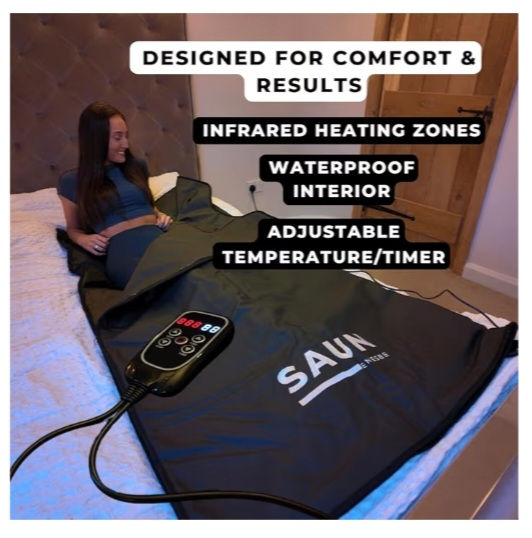
Infrared Sauna Blanket – Upgraded Far Infrared Heating Blanket with Adjustable Temperature, Auto Timer & Waterproof Interior, Portable Spa Detox Wrap (Black)
7. Hydrogen or Alkaline Water Bottle
Wĺhy it helps:
Proper hydration is essential for lymphatic flow. Hydrogen or alkaline water bottles can enhance hydration by improving water absorption and reducing oxidative stress.
What to look for:
BPA-free materials
Rechargeable or filter-based system
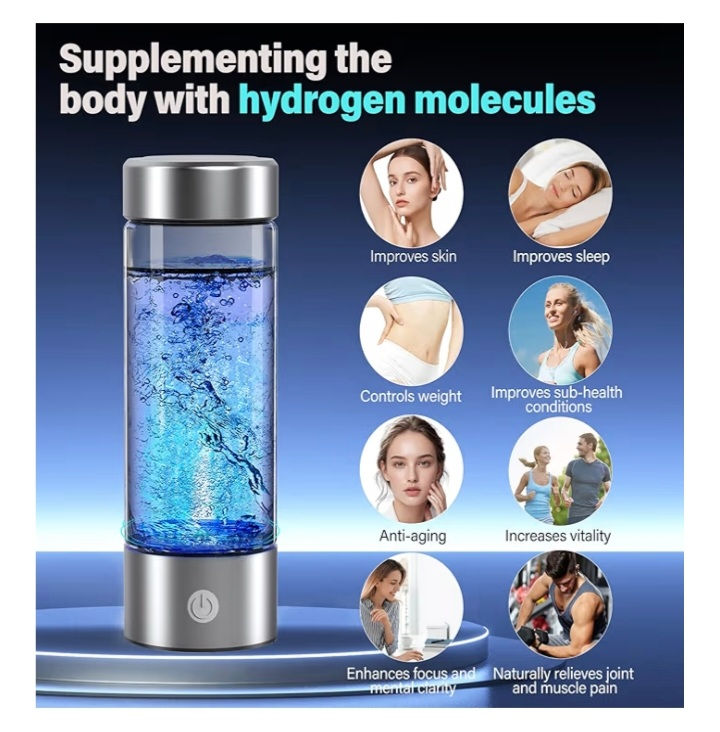
Hydrogen Water Bottle, 420ml Hydrogen Water Generator, adopts SPE and PEM Technology, Quickly Generate a Cup of Hydrogen-Rich Water in Three Minutes, for Office, Sports Hobbies, Travel and Gifts.1pcs
8. Herbal Lymphatic Support Supplements
Why it helps:
Certain herbs like red clover, burdock root, cleavers, and echinacea support lymphatic detoxification and immune function.
What to look for:
Organic, third-party tested ingredients
No artificial fillers or additives
9. Essential Oil Diffuser
Why it helps:
Diffusing essential oils such as lemon, peppermint, or eucalyptus can support detoxification and relaxation, indirectly benefiting lymphatic flow by reducing stress.
What to look for:
Ultrasonic diffuser with adjustable mist settings
Auto shut-off and timer options
10. Adjustable Standing Desk or Balance Board
Why it helps:
Sitting for long periods slows lymphatic circulation. Alternating between sitting and standing, or using a balance board, keeps muscles active and lymph moving.
What to look for:
Ergonomic design
Stable, height-adjustable frame
These products, when used consistently, can help keep your lymphatic system active, reduce swelling, and improve overall energy and detoxification. Always pair them with hydration, movement, and a nutrient-rich diet for the best results.
When to Seek Professional Support
If persistent swelling, chronic fatigue, or frequent infections occur, consulting a healthcare professional is important. A doctor or lymphatic specialist can assess for conditions such as lymphedema or underlying immune disorders and recommend appropriate treatments.
Finally
The lymphatic system is a silent powerhouse that keeps the body balanced, cleansed, and protected. By staying hydrated, moving regularly, eating clean, and practicing self-care techniques like massage and deep breathing, it’s possible to keep this vital system functioning at its best. Supporting lymphatic health not only boosts immunity and energy but also enhances overall vitality and well-being.
Medical Disclaimer
The information provided in this document is for general informational and educational purposes only and is not intended as medical advice, diagnosis, or treatment. It should not be used as a substitute for professional medical advice from a qualified healthcare provider. Always seek the guidance of a physician or other qualified health professional with any questions regarding a medical condition, treatment, or before making any changes to a healthcare plan.
Never disregard professional medical advice or delay seeking it because of information contained in this document. Reliance on any information provided herein is solely at the reader’s own risk. The author and publisher assume no responsibility or liability for any injury, loss, or damage incurred as a result of the use or misuse of the information provided.


Comments